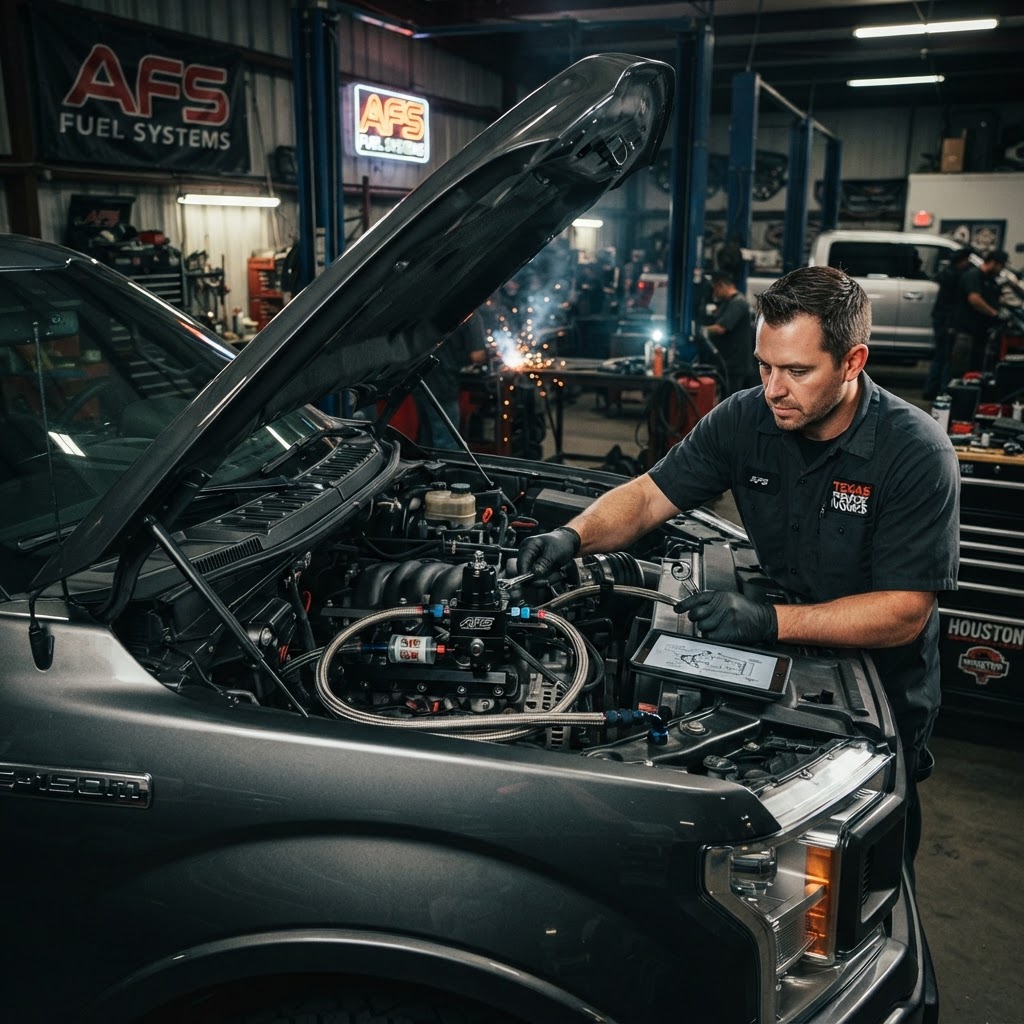
Fueling the Fire: Why Your Rig Needs an AFS Fuel System Upgrade
You’ve got the turbo, the intake, and the exhaust, but is your fuel system actually keeping up? We’re diving into why AFS fuel systems are the secret sauce for Houston’s high-horsepower builds.
The Hidden Bottleneck in Your Build
You’ve spent months dialing in your suspension, hunting for the perfect wheel-and-tire combo, and maybe even slapping on a bigger turbo to make that truck scream on the Katy Freeway. But here is the hard truth: all that hardware is just expensive paperweight if your engine is starving for fuel. Most enthusiasts treat the fuel system like an afterthought, but at Spectrum Outfitters, we know it’s the heartbeat of your performance.
When you start pushing past factory power levels, your stock fuel system becomes a ticking time bomb. It’s like trying to run a marathon while breathing through a coffee stirrer. You need volume, you need pressure, and most importantly, you need consistency. That’s where AFS fuel systems come into play, providing the kind of reliable, high-flow architecture that separates the daily drivers from the dyno-queens.
Why "Stock" Just Doesn't Cut It
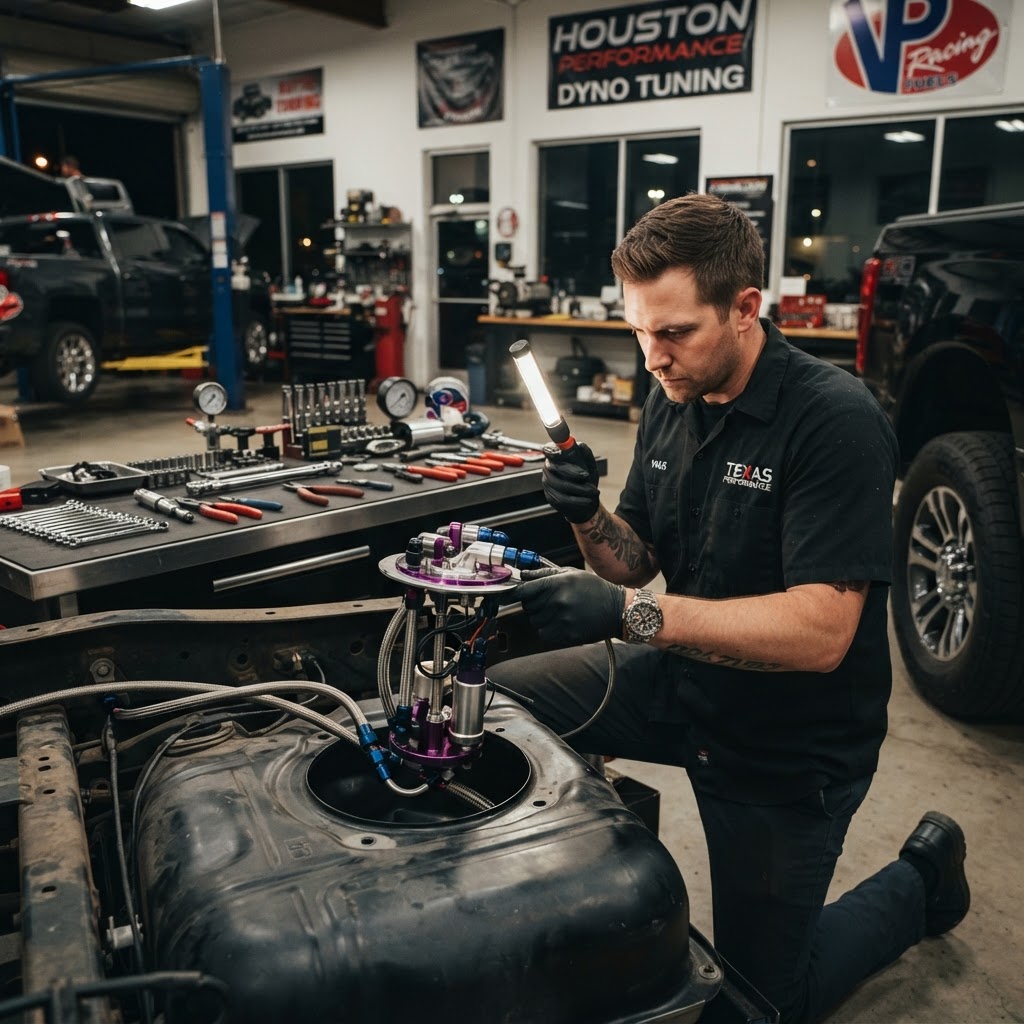
Let’s talk shop. Your factory fuel system was designed for reliability and emissions, not for supporting a 600-hp build or a heavy-duty towing rig that spends its weekends hauling gear to the Gulf Coast. As you increase injector size—whether you’re going 60% over or pushing into the 400% range—your stock pump and lines simply can’t keep up with the demand [1].
When your injectors run at 100% duty cycle, you’ve lost your safety margin [4]. You’re essentially running on the edge of a catastrophic lean condition. A proper AFS-style upgrade isn't just about adding more fuel; it’s about filtration and pressure regulation. Modern common-rail systems are incredibly sensitive to contaminants, and even the smallest debris can turn a high-dollar injector into a paperweight [2].
"The pump sets the ceiling for everything else. If it can't flow enough at your target boost and fuel pressure, bigger injectors won't help. You need to build for your next goal, not just your current one."
The Anatomy of a Proper Fuel System
Building an effective system is about more than just slapping on a bigger pump. You need to look at the entire path from the tank to the rail. We’re talking about larger diameter lines, high-efficiency filtration, and a regulated return system that keeps fuel cool and air-free [5, 9].
The Regulated Return Advantage
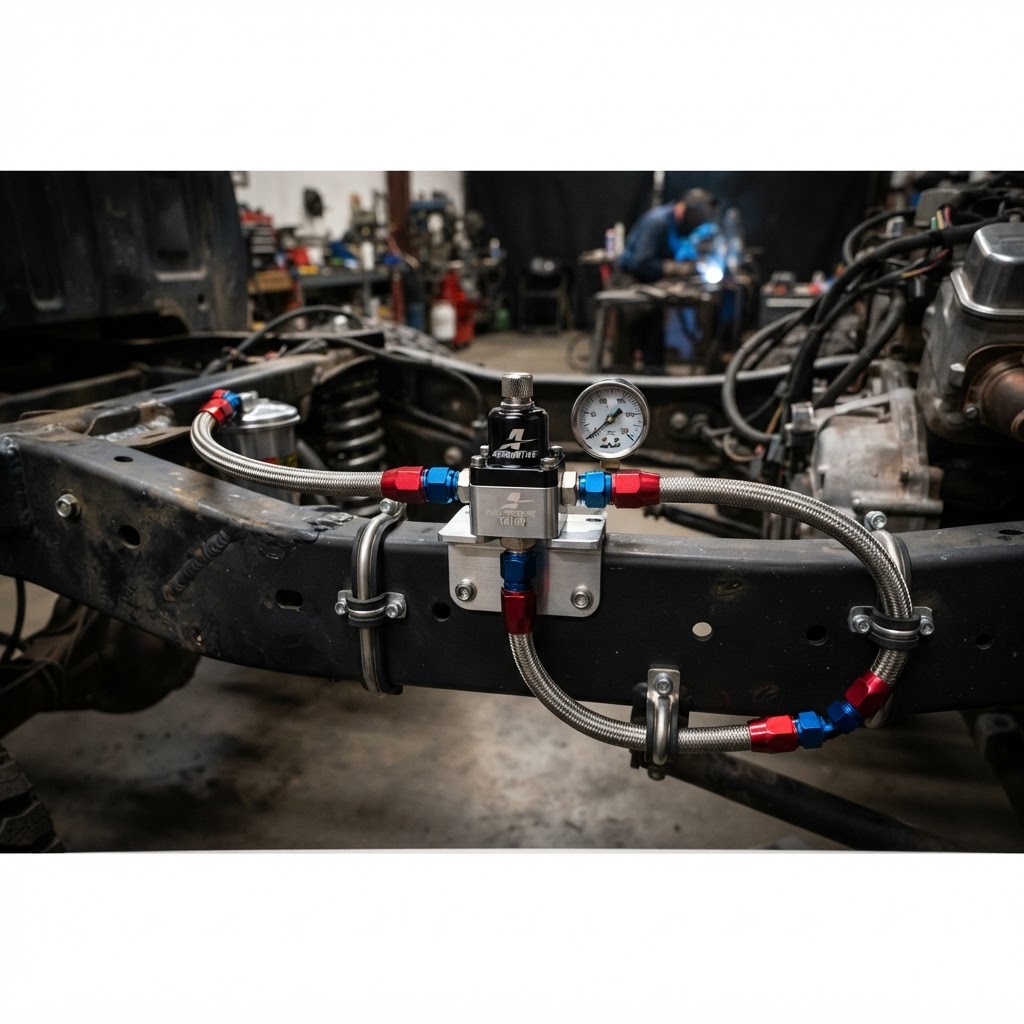
If you’re running a diesel, you’ve likely heard the debate between dead-head systems and regulated returns. A regulated return system is the gold standard for a reason [9]. By moving the regulator to the end of the system, you ensure that every drop of fuel passing through the rails is pressurized and purged of air. It keeps your injectors happy, your fuel temps down, and your engine running smooth, whether you’re idling in Houston traffic or pinning the throttle on a backroad.
Don't Wait for the Failure
We see it all the time: a customer waits until their stock pump gives up the ghost before they decide to upgrade. Don't be that guy. Upgrading your fuel system is the best insurance policy you can buy for your engine. It’s about longevity, efficiency, and unlocking the true potential of the mods you’ve already paid for.
Whether you’re building a street-strip monster or a reliable tow rig that needs to pull through the Texas heat without breaking a sweat, the right fuel system is the foundation of your success. Stop starving your engine and start feeding it the performance it deserves.
Ready to build your rig? Book a consultation with Spectrum Outfitters.