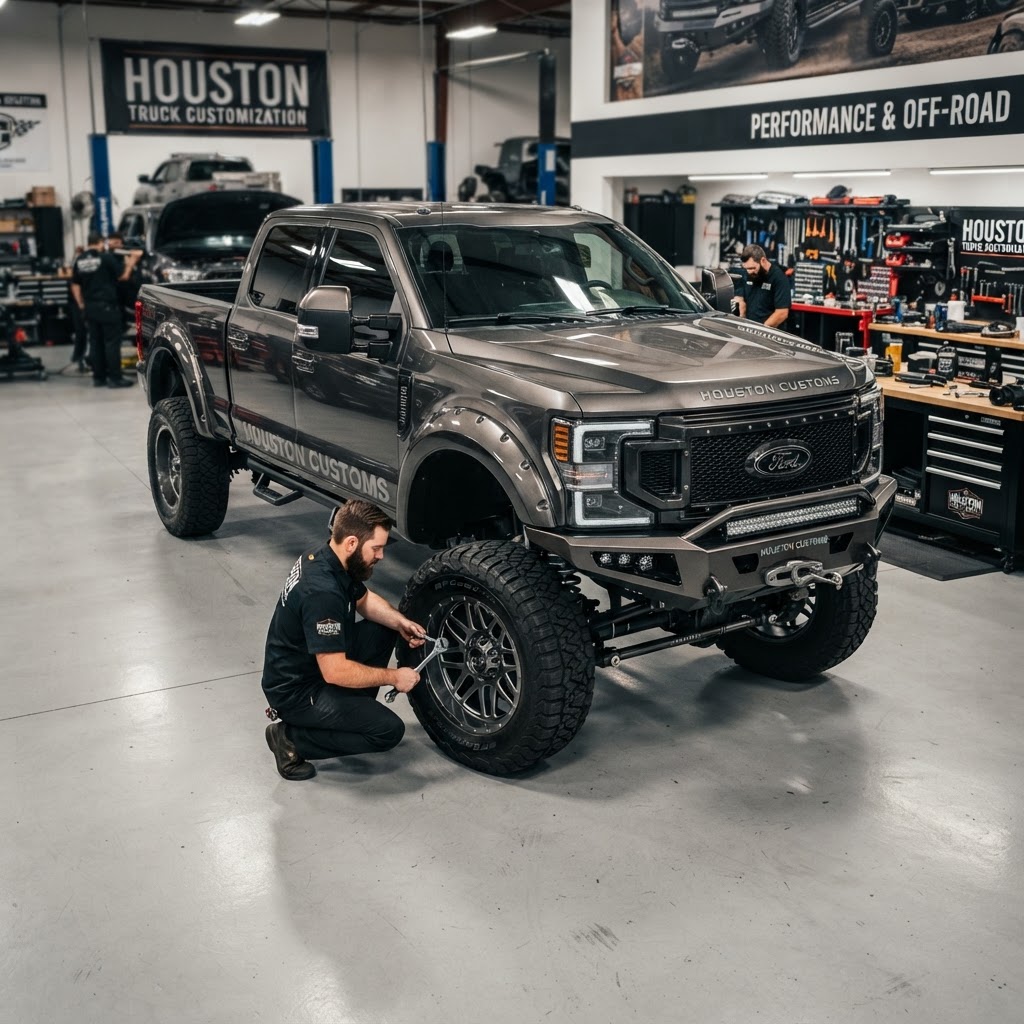
Built, Not Bought: The Hard Truth About Keeping Your Custom Rig Alive
Your custom build is an extension of your personality, but even the meanest machines on Houston’s highways need more than just gas to keep running. Here is how you keep your investment from turning into an expensive paperweight.
Built, Not Bought: The Hard Truth About Keeping Your Custom Rig Alive
You didn't spend months obsessing over offset, suspension geometry, and exhaust flow just to let your rig wither away in a parking lot. At Spectrum Outfitters, we’ve seen the most insane builds in Texas come through our bays, and here is the brutal reality: modifications don't just change the look of your vehicle—they change the rules of the maintenance game. You’ve pushed the limits of the factory specs; now you have to play by your own set of rules.
The Performance Tax: Why Stock Intervals Don’t Apply
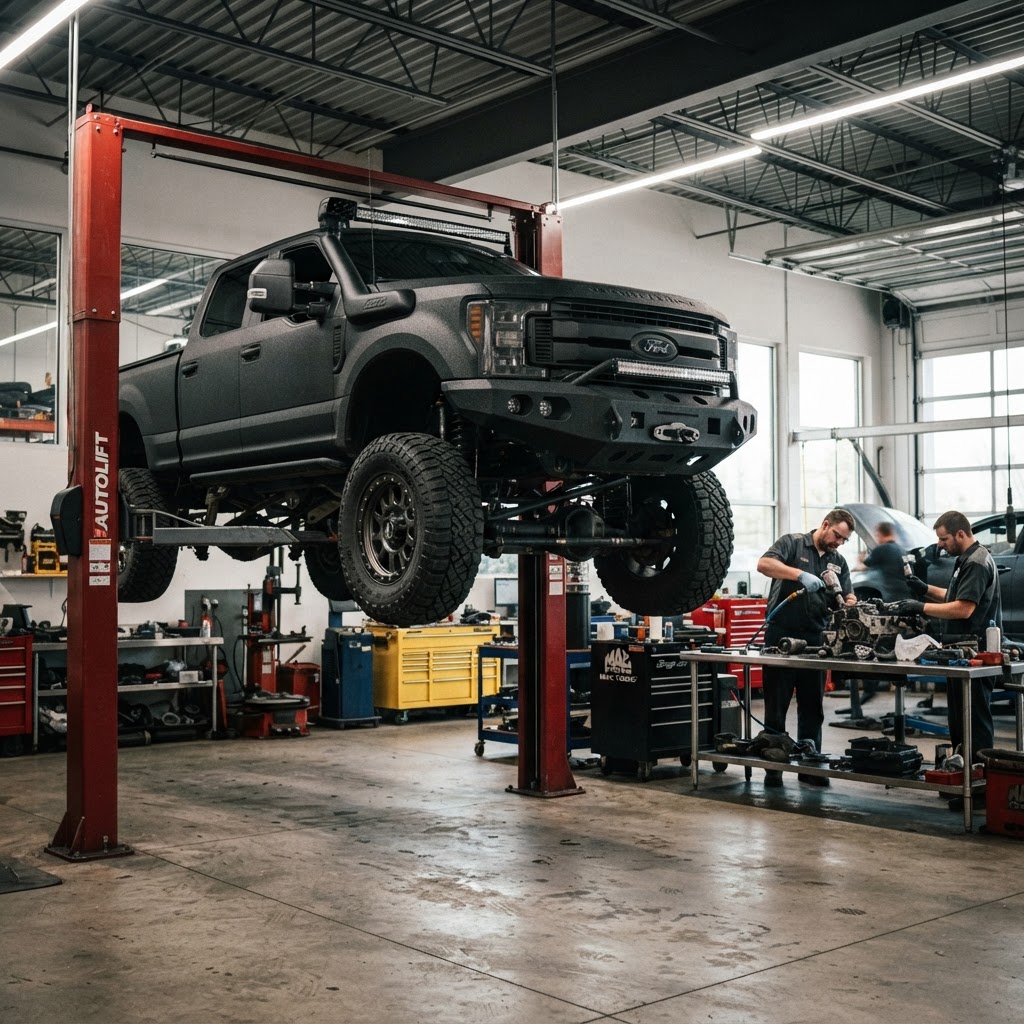
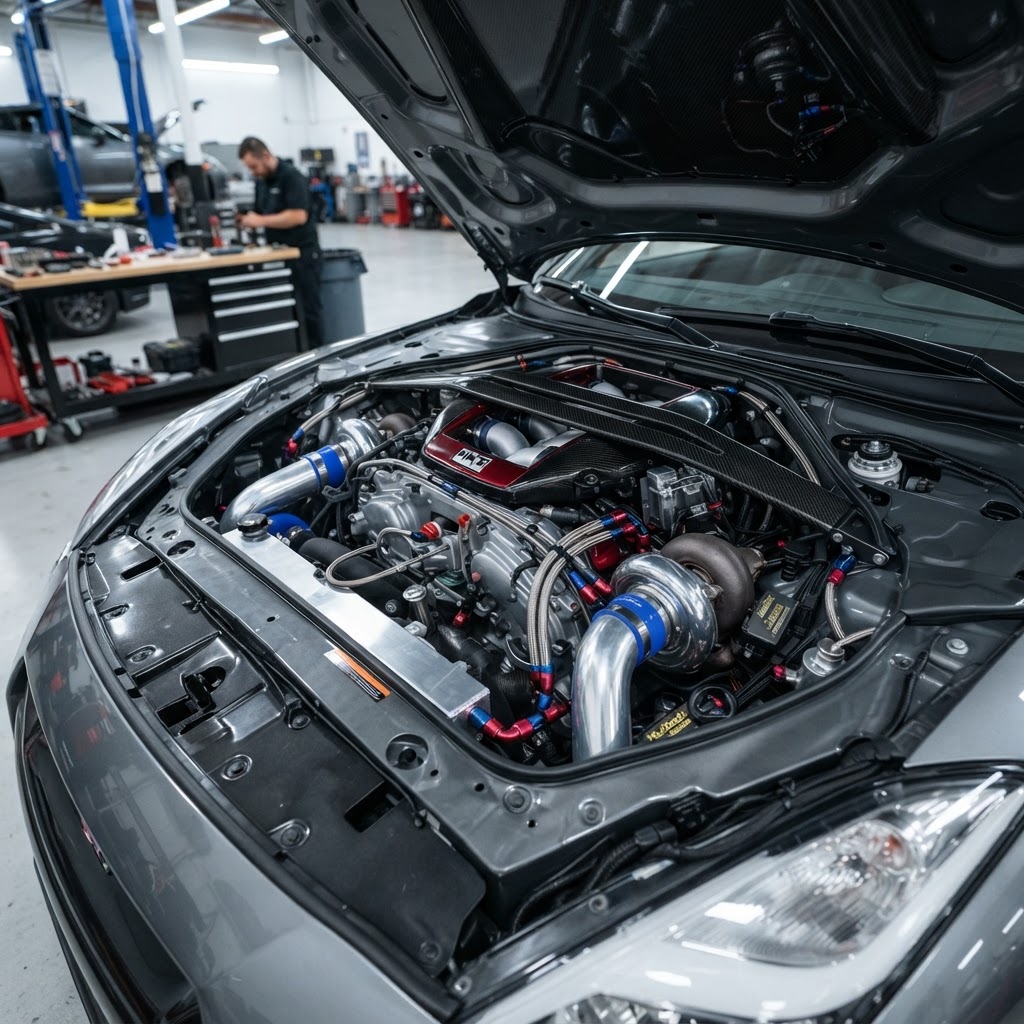
When you bolt on a larger turbo, fit 37-inch tires, or re-gear your differentials, you are asking your vehicle to work harder than the engineers in Detroit ever intended. Standard service intervals? Forget them. That ‘every 10,000 miles’ oil change recommendation is for grocery-getters, not your high-output build.
"A custom vehicle is a living, breathing mechanical entity. If you stop listening to what the components are telling you, you’re just waiting for the day your ride decides to break down on the I-10 in rush hour."
Your 10-Point Survival Checklist
-
Oil Is Life: High-stress engines run hot. Use synthetic, run a high-quality filter, and change it religiously. If you’re sitting in Houston heat idling at a stoplight, that oil is degrading faster than you think.
-
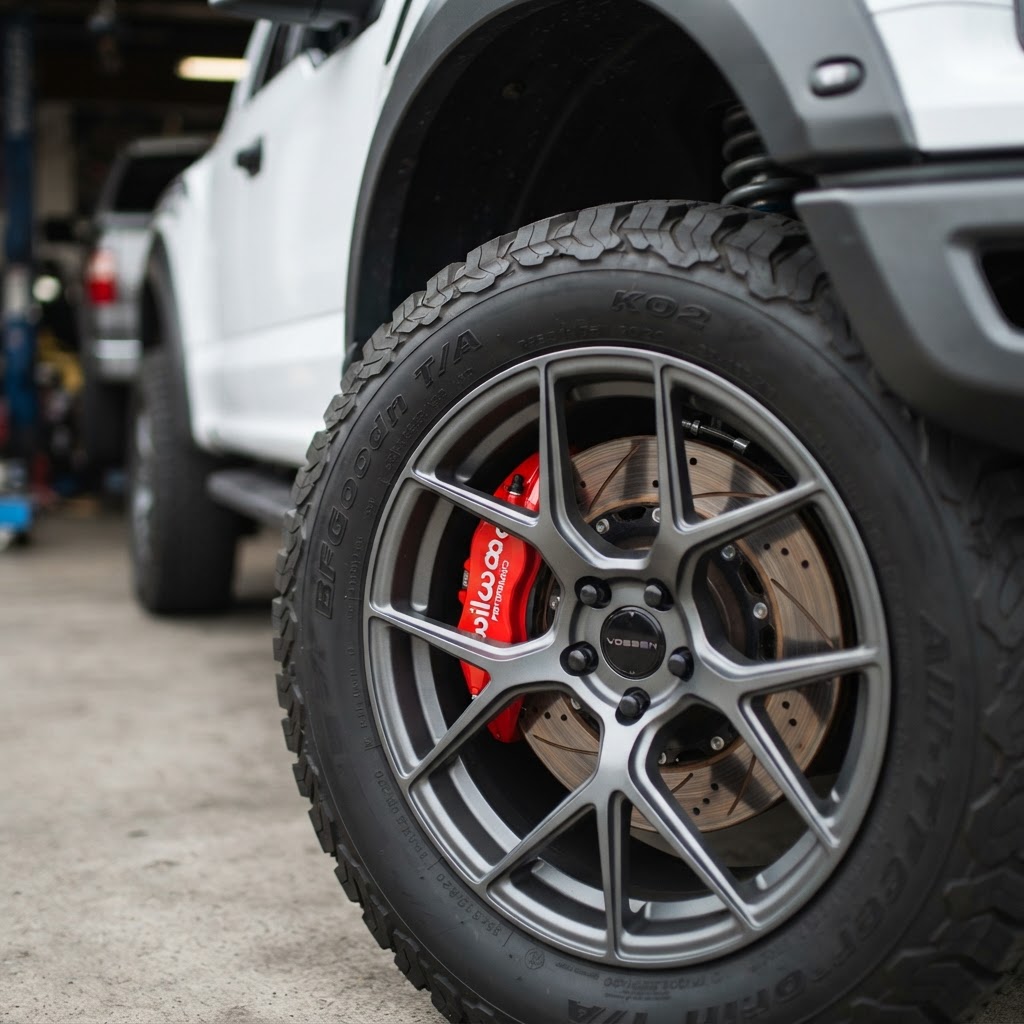
Tire Rotation and Alignment: Those meaty off-road tires are expensive. If your lift kit changed your steering geometry, even by a hair, you’re going to burn through tread in weeks. Stay on top of your rotations every 5,000 miles.
-
Brake System Vigilance: Big wheels mean more rotational mass. Your stock brakes are likely working overtime, so check your pads and rotors for heat-checking and fading. If the pedal feels mushy, it’s time for an upgrade.
-
Fluid Health: Coolant, trans fluid, and power steering fluid are the blood of your build. High-performance rigs create high-performance heat; flush these systems before they start looking like dark coffee.
-
Battery Basics: With that custom light bar, high-end stereo, and winch, your factory battery is probably crying. Check your terminals for corrosion and verify your voltage output. A dead battery at the trailhead is a nightmare you don't want.
Don’t Ignore the Niggles
If you hear a clunk in the suspension or a whistle from the exhaust that wasn't there yesterday, that’s your truck talking to you. Don't ignore it. That 'clunk' is usually a bushing that has given up the ghost or a loose bolt from the off-road trip last weekend.
-
Suspension & Steering: Put the rig on the rack. Check every bolt on those control arms and sway bars. Off-road vibration is the silent killer of custom fasteners.
-
Electrical Integrity: Custom lighting and wiring should be clean. If your wire harness looks like a bird’s nest, it’s a fire waiting to happen. Use proper routing and loom.
-
Exhaust System: Performance exhaust systems expand and contract. Retighten those hangers and check the gaskets every oil change to keep your tone aggressive and your cabin fumes-free.
-
Paint & Body Armor: Texas sun is brutal. Wax, ceramic coat, and protect your investment. A custom build without a clean finish is just a work in progress that never finished.
-
Professional Oversight: You can do a lot in your driveway, but an expert eye catches the things you can’t see. A routine vehicle inspection by someone who builds rigs for a living is worth every penny.
The Verdict
Your ride is your calling card. Treat it with the respect it deserves, and it will keep turning heads from Houston to the Panhandle. When in doubt, bring it to the people who know what’s underneath the sheet metal. Ready to build your rig? Book a consultation with Spectrum Outfitters.